


HBO Max: Stream TV & Movies
WarnerMedia Global Digital Services, LLC
I approach streaming apps with two questions in mind: will they make my evening easier, and do I understand what I am agreeing to when I use them? HBO Max: Stream TV & Movies makes a strong first impression as an entertainment app from WarnerMedia Global Digital Services, LLC, built around hit original series, films, reality programming, and other television content. Its audience is broad, but the experience is still personal: the value depends on whether its catalog matches your taste, how often you watch, and how comfortable you are managing an account for a service that may encourage long viewing sessions.
The app is free to install, carries a Teen content rating, and has reached more than 100 million installs. Its average rating sits at 4.8 from roughly 4.9 million ratings, with about 56 thousand written reviews. Those figures suggest that the app has become a familiar choice for a large streaming audience, although popularity alone does not tell me whether it is the right fit for every household. I found it more useful to look at the practical details: how I decide what to watch, what happens when several people use the same account, and how much control I have over my viewing and account choices.
What it feels like to use HBO Max for everyday entertainment
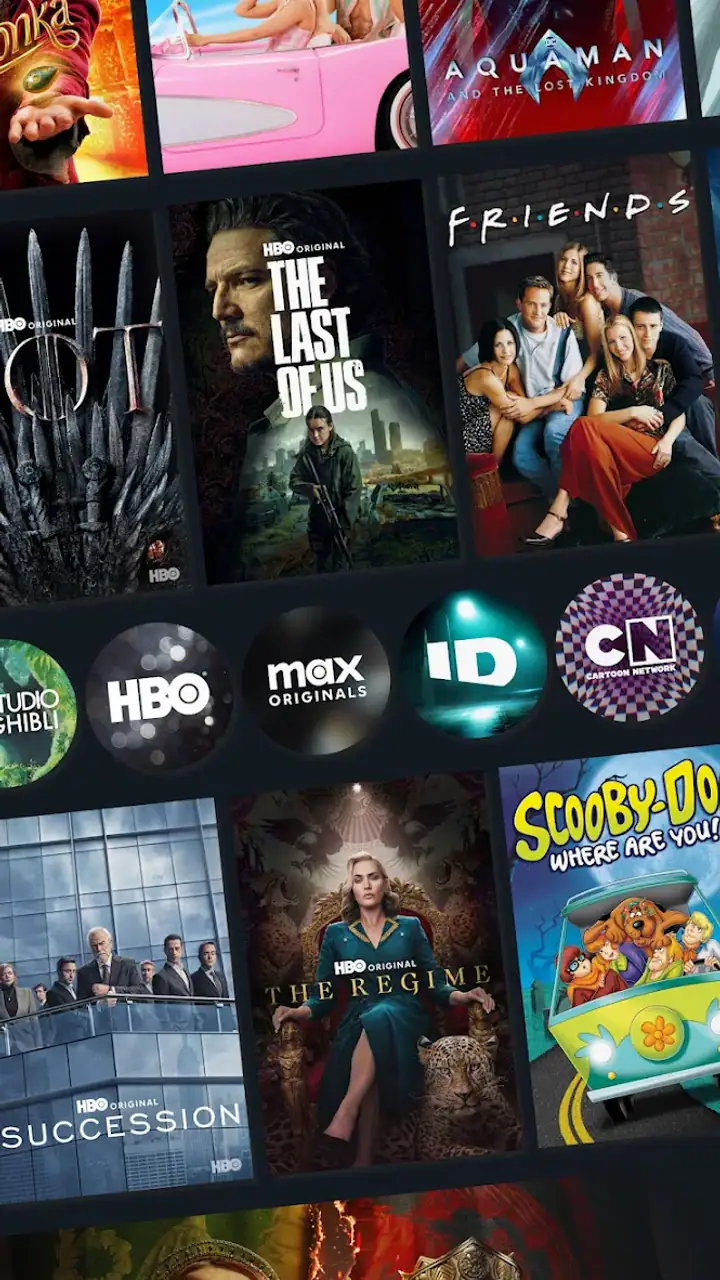
My first impression is that HBO Max is designed for people who want a destination rather than a single-purpose player. I can open it when I have a particular series in mind, browse when I want a film, or use it as a fallback for a relaxed night when I do not yet know what I want. That flexibility is one of its biggest strengths. Instead of switching between a separate movie app, a reality-focused service, and a television archive, I can begin in one place and follow whatever mood I am in.
The trade-off is choice overload. A large entertainment service can make browsing feel productive without actually helping me decide. I have learned to enter with a simple plan: search for a known title, choose a genre or type of program, or set a short limit for browsing before starting something. Without that discipline, the app can turn a twenty-minute break into a long scroll through possibilities. This is not a flaw unique to HBO Max, but it matters because the platform combines several kinds of content instead of focusing on one narrow audience.
For a realistic weekday example, I might open the app after dinner with only enough time for one episode. I would search directly if I already had a show in mind, rather than relying on the home screen to make the decision. On a slower weekend, I would use the broader catalog to compare a film with a reality program or an original series. That difference in approach makes the app feel more useful: direct search is efficient, while browsing is better treated as entertainment in its own right.
Related News

Why WhatsApp Messenger Still Makes Everyday Communication Feel Easy

Jurassic World: The Game Is the Better Dino Tycoon for Strategic Players

Threads in Real Life: Who Should Join, Lurk, or Leave

How SHEIN Turned Shopping Into an Endless Content Feed

How to Make Fortnite Feel Smarter on Mobile

Should You Switch to Microsoft Outlook on Mobile?
Account choices matter more than the free download
The free installation is convenient, but it should not be confused with unlimited access at no cost. The app includes in-app purchases ranging from about two dollars and fifty cents to around two hundred and thirty dollars per item. I would therefore treat the download as the beginning of the decision, not the end. Before settling in, I would check the available plan or purchase screen carefully, confirm what is being offered, and avoid assuming that every title is included in the same way.
This is especially important when someone else is using the device. A family member handing a phone to a child, or a friend exploring the app on a shared tablet, may not have the same understanding of account choices. I prefer to keep purchasing decisions with the account holder and review any confirmation screen before accepting it. That small habit gives me more control than simply trusting that a free app will remain free in every part of the experience.
The Teen content rating is another reason I would not treat the app as automatically suitable for young children. A streaming catalog can contain very different tones, themes, and levels of maturity. I would choose titles together with younger viewers, use the account controls that are available to me, and avoid allowing a child to browse without supervision. The rating describes the app’s intended age level; it does not replace a parent’s judgment about an individual program.
Gallery
Trust begins with visible choices, not assumptions
When I review a streaming service, I pay attention to the moments where the app asks me to create an account, accept terms, select a plan, or continue after a prompt. These are the points where I want plain language and a clear way to change my mind. HBO Max is easiest to trust when I slow down at those screens instead of tapping through automatically. I look for the account details connected to my use, the purchase option selected, and any settings that affect the experience on the device.
I do not treat a polished interface as proof that every data practice is simple, and I do not assume that a familiar developer removes the need for caution. WarnerMedia Global Digital Services, LLC is identified as the developer, but my own responsibility remains the same: I should read the choices presented to me, keep login details private, and review the account when another person has used the device. Those are practical safeguards rather than dramatic precautions, and they apply particularly well to an app that may stay signed in for long periods.
Another useful habit is separating viewing convenience from account convenience. I may want the app to remember where I stopped and make recommendations, but I also want to know who can access the account on a shared device. If I use a television in a common room, I would sign out or review the active account before giving the device to someone else. If I use a personal phone, I would still protect the device with its normal screen lock. The app can be easy to use without becoming something I leave open for everyone.
Data-sensitive moments during normal viewing
Streaming creates a record of choices that can feel more personal than a simple video player. The programs I search for, start, stop, or return to can reveal interests and routines. I therefore pay closer attention when the app moves from casual browsing to account-based activity. Searching for a title is one thing; keeping a persistent viewing history or using a shared profile is another. I try to make those distinctions clear in my own habits.
My most useful rule is to avoid using a shared profile for everything. If several people watch through one profile, recommendations can become confusing, and a private viewing choice may become visible to the next person who opens the app. Separate profiles or account controls, when presented in the service, are worth considering because they improve both discovery and privacy within the household. They do not make a shared account completely private, but they reduce accidental mixing of viewing habits.
I also think about notifications and device visibility. A title, reminder, or account message appearing on a lock screen can reveal more than I intended. I would check the phone’s notification settings if I watch content that I prefer to keep private, especially when other people can see the screen. This is a device-level choice rather than something I would assume the streaming app handles perfectly for every person.
On a public or borrowed device, I would be even more cautious. I would avoid saving credentials, confirm that I am using my own account, and sign out when finished. The convenience of continuing a show is not worth leaving access behind. These steps may sound ordinary, but they are among the most meaningful controls available to a viewer because they address the exact moment when an account changes hands.
Where the app gives me agency, and where I must provide it
HBO Max works best when I make deliberate choices about how I use it. I choose what to search for, whether to browse, which account to use, and whether a purchase is appropriate. That sounds obvious, but streaming design can encourage passive acceptance: autoplaying the next episode, following recommendations, or confirming a plan without reading the details. I prefer to treat each of those as an invitation rather than an instruction.
For longer viewing sessions, I set my own stopping point before I begin. This helps with two problems at once: it keeps the app from deciding my schedule through continuous viewing, and it makes it easier to notice whether I am still enjoying the program. If I am watching with children, I decide the stopping point together with them and keep the device in a shared space. The app is more enjoyable when it supports my routine instead of quietly taking over the routine.
I would also review account and purchase settings occasionally, particularly after changing devices or sharing access with a household member. I want to know which account is active and whether the current plan still makes sense for my use. Someone who watches only occasionally may find that a broad streaming service is less economical than a service used every week, even if the catalog is appealing. Someone who watches several kinds of programming may get more practical value from having one familiar destination.
There is a clear distinction between what I can control inside the app and what depends on the operating system or account provider. Screen locks, notification visibility, saved passwords, and device access are partly managed outside the streaming interface. I would not wait for an app to solve those issues automatically. Good account hygiene on the phone or television is part of using the service responsibly.
How it compares with ordinary streaming alternatives
Compared with a free, ad-supported video platform, HBO Max is better suited to someone who wants a more focused home for premium-style series, films, reality programs, and recognizable original entertainment. A free platform may offer greater variety without a paid commitment, but it can also require more patience to locate something worth watching. HBO Max feels more intentional when I already know the kind of program I want.
Compared with a broadcaster’s catch-up app, it is more appealing when I want a wider entertainment mix rather than a narrow selection tied to one channel or schedule. A broadcaster’s app may be the better choice for local programming or a specific live-TV routine. I would choose HBO Max when the priority is on-demand discovery across several formats, not when I need one particular live broadcast.
Compared with another subscription service built around a single major catalog, the decision comes down to viewing habits. HBO Max is not automatically the best option for someone who watches only one genre or follows a small number of titles elsewhere. It becomes more convincing for a household that moves between series, films, reality content, and original productions. The broader the taste, the easier it is to justify keeping a general entertainment app available.
I would skip it if I dislike managing subscriptions, rarely watch on-demand video, or want children’s entertainment to be the central purpose of the service. I would also hesitate if I am likely to accept an in-app purchase without checking the details. The app can be a good fit for a careful viewer, but it is not a substitute for deciding what kind of entertainment service I actually use.
Practical ways to get more from the app
My first tip is to use search as a time-saving tool rather than treating the home screen as the only entrance. When I know an actor, series, film, or subject I want, a direct search reduces the temptation to browse endlessly. I then use browsing for discovery on days when I have more time. This simple split makes the app feel less cluttered and helps me start watching sooner.
My second tip is to keep viewing profiles and shared access intentional. A profile should represent a real viewing pattern, not just become a dumping ground for everyone in the home. If recommendations begin to feel irrelevant, I would look first at who is using that profile and whether a separate one would make more sense. This is both a discovery improvement and a modest privacy improvement.
My third tip is to check the purchase path before handing over the device. I would open the account area myself, confirm which account is active, and make sure another viewer understands that the app may contain paid choices. This is particularly useful with guests and teenagers, because the free download can create the wrong expectation about every action inside the service.
My fourth tip is to make the device part of the privacy plan. I would manage lock-screen notifications, avoid saving credentials on a public television, and sign out when using a borrowed device. These steps are easy to overlook because the content itself is the focus, yet they have a direct effect on who can see or use the account.
Finally, I would judge the service over a normal month of actual viewing rather than by the size of its catalog. If I repeatedly open it and find something suitable, it earns a place in my routine. If I only browse and rarely start a program, another option may be more sensible. The best streaming app is not the one with the most impressive promise; it is the one I genuinely use enough to justify the account and the attention it requires.
My cautious verdict after using it
HBO Max: Stream TV & Movies is a capable entertainment app for viewers who want series, films, reality programming, and original content gathered in one familiar place. I like its flexibility and its usefulness for both planned viewing and relaxed discovery. The large audience and strong average rating show that many people have found it worthwhile, but I would still make the decision based on my own habits rather than popularity.
My main reservation is not about finding something to watch; it is about staying deliberate once I am inside the service. Account access, purchase choices, shared profiles, notifications, and viewing history all deserve a little attention. The app is most comfortable when I know which account I am using, understand what I am selecting, and keep control of the device around other people.
For me, it is a recommendation with conditions: choose it if you want a broad on-demand entertainment destination and are willing to manage the account carefully. Consider another option if you want a completely free experience, a narrowly focused catalog, or a service built primarily for children or live programming. The installation is free, it supports Android devices running version 5.0 or later, and the app was released on May 23, 2023, but those practical details matter less than whether its content and account model fit your everyday life.
In the end, I see HBO Max as a strong choice for a deliberate viewer rather than a passive one. I would recommend it to a friend who enjoys moving between different kinds of television and films, provided that friend checks the available purchase choices, uses sensible account controls, and treats the Teen rating seriously. Used that way, it can make choosing something to watch simple without asking me to surrender judgment along the way.
FAQs for HBO Max: Stream TV & Movies
What devices are compatible with HBO Max?
HBO Max is compatible with a wide range of devices, including smartphones and tablets running Android or iOS, as well as smart TVs, streaming devices like Roku and Amazon Fire TV, and gaming consoles like PlayStation and Xbox. For the best experience, ensure your device is running the latest software version.
Can I download content to watch offline on HBO Max?
Yes, HBO Max allows users to download shows and movies for offline viewing. This feature is particularly useful for watching content without internet access, such as during travel. Keep in mind that not all content may be available for download, and there may be limits on the number of downloads.
Does HBO Max offer different subscription plans?
HBO Max offers several subscription plans, including ad-supported and ad-free options. The ad-supported plan is more affordable but includes commercials, while the ad-free plan provides an uninterrupted viewing experience. Both plans grant access to the full content library, including exclusive originals and blockbuster movies.
Is there a free trial available for HBO Max?
HBO Max occasionally offers free trials, allowing new users to explore the service before committing to a subscription. These trials are typically limited to a few days or weeks. It's important to check the official HBO Max website or app for any current promotions or trial offers.
How can I manage and create profiles on HBO Max?
HBO Max allows users to create multiple profiles within a single account, making it easy to personalize content recommendations. To create or manage profiles, go to the account settings in the app. You can set up profiles for different family members and even designate kids’ profiles with parental controls.
Pros
- Extensive library of popular shows and movies.
- High-quality streaming with minimal buffering.
- User-friendly interface for easy navigation.
- Multiple user profiles for personalized viewing.
- Offline downloads available for on-the-go viewing.
Cons
- Subscription cost is relatively high.
- Limited availability of 4K content.
- Frequent app updates can be disruptive.
- Some titles are region-restricted.
- Occasional login issues reported by users.


